Get Fly Infestation Extermination
Fly infestation extermination services help property owners eliminate flies and prevent future outbreaks in residential and commercial spaces.
Fly infestations can quickly become a nuisance for property owners, impacting comfort and hygiene. If you're noticing an increase in flies around your home or business, exploring extermination services is a practical step toward resolving the issue. Local contractors specializing in fly control offer a range of solutions designed to address infestations effectively, helping to restore a clean and comfortable environment.
Property owners in the area may consider fly extermination for various reasons, such as preparing for upcoming events, maintaining a sanitary space, or preventing potential health concerns. Comparing options among local service providers can help identify the most suitable approach for your needs. Keep reading to learn more about how experienced contractors can assist with fly infestation problems.
- Common Projects Services
- Fly infestation extermination - needed when flies have taken over a home or business space, causing discomfort or health concerns.
- Fly trap installation and removal - appropriate when there are persistent fly problems that require targeted trapping solutions.
- Sanitation and debris cleanup - necessary after fly activity has led to contamination or buildup in affected areas.
- Infestation inspection and assessment - recommended to identify the source of a fly problem and determine the best removal strategy.
- Preventive fly control measures - useful for property owners seeking to reduce the risk of future fly infestations.
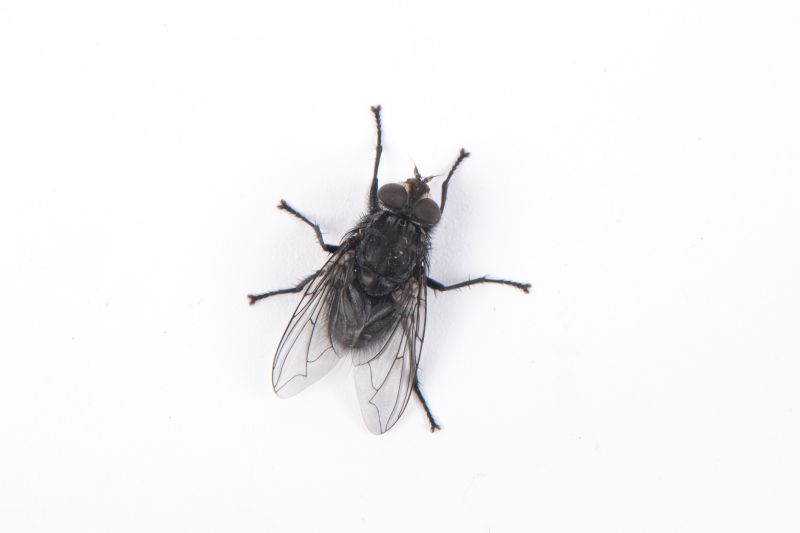
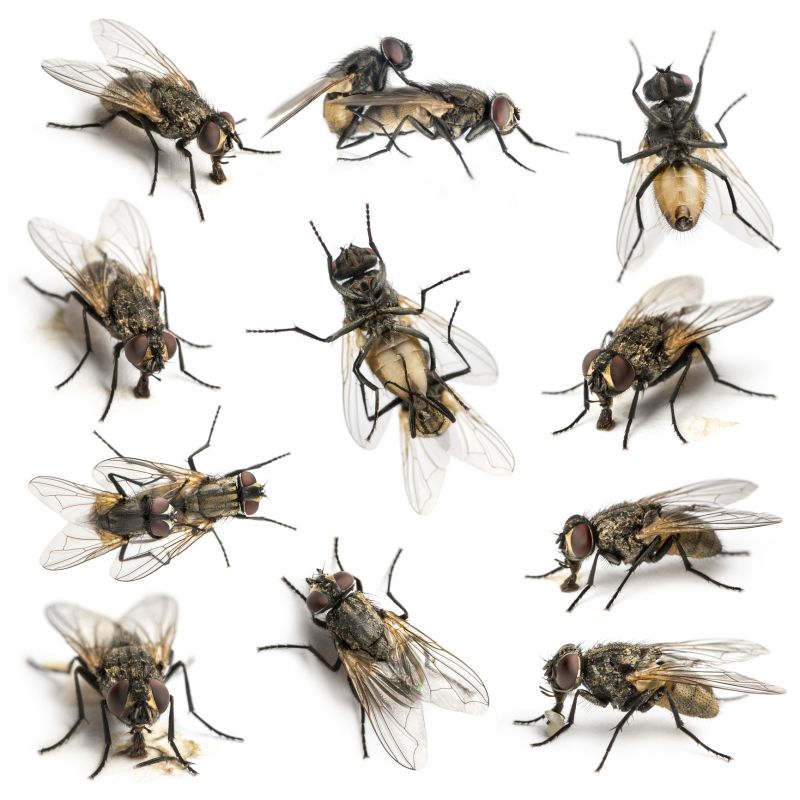
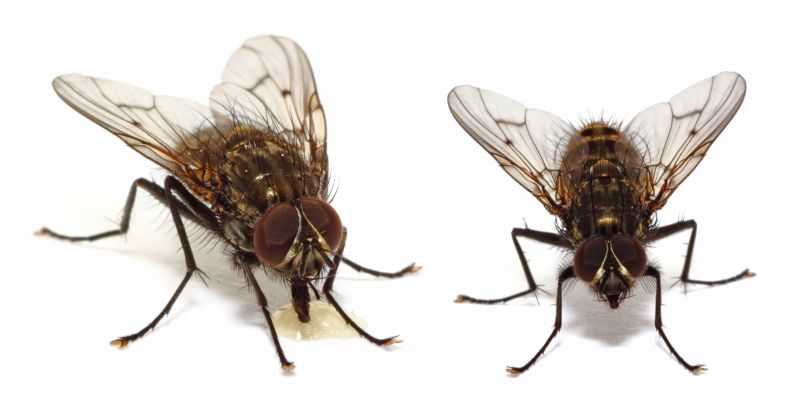
Fly infestation extermination services focus on identifying and eliminating flies that have taken up residence in or around a property. These services typically involve thorough inspections to locate breeding sites and entry points, followed by targeted treatments to reduce or remove fly populations. Depending on the situation, contractors may use a combination of traps, insecticides, and exclusion methods to prevent future infestations. The goal is to create a clean, fly-free environment by addressing both the immediate problem and its underlying causes.
Fly infestations can cause significant discomfort and hygiene concerns for homeowners. They often result from factors such as uncovered food, waste, or standing water that attract flies. In addition to being a nuisance, flies can carry bacteria and germs, posing health risks to residents. Service providers work to eliminate adult flies and disrupt breeding cycles, helping to restore a healthier living space. This type of extermination is especially useful in situations where flies are persistent or difficult to control with simple cleaning measures.
Properties that typically seek fly extermination services include residential homes, especially those with kitchens, gardens, or pet areas. Food establishments, such as restaurants and cafes, often require regular fly control to meet health standards and prevent contamination. Commercial buildings, warehouses, and outdoor spaces that attract flies due to waste or moisture may also benefit from professional extermination. Homeowners who notice an increase in fly activity or find flies lingering despite cleaning efforts should consider expert assistance to address the root of the problem.
Understanding when to contact local contractors for fly infestation extermination can help prevent ongoing issues. Signs include a sudden surge in fly numbers, flies appearing indoors despite good sanitation, or recurring infestations after previous treatments. Property owners experiencing these problems should reach out to experienced service providers who can assess the situation and implement effective solutions. Proper extermination not only reduces fly populations but also helps maintain a cleaner, healthier environment for residents and visitors alike.
The overview below groups typical Fly Infestation Extermination projects into broad ranges so you can see how smaller, mid-sized, and larger jobs often compare in your area.
In many markets, a large share of routine jobs stays in the lower and middle ranges, while only a smaller percentage of projects moves into the highest bands when the work is more complex or site conditions are harder than average.
Smaller Repairs - Typical costs for minor fly infestation treatments range from $250 to $600. Many routine jobs fall within this middle range, covering common residential issues. Larger or more complex projects can exceed this range, depending on the severity and location.
Moderate Extermination - For more extensive fly infestations that require additional treatments or multiple visits, local contractors often charge between $600 and $1,200. These projects are common for larger homes or persistent problems, but fewer reach the higher end of this range.
Full Property Treatment - Complete extermination of flies across an entire property can typically cost from $1,200 to $3,000. Many homes with widespread issues fall into this range, while very large or complicated sites may push costs higher.
Large-Scale or Commercial Jobs - Large or commercial fly infestation projects can range from $3,000 to $5,000 or more. Such projects are less frequent and usually involve extensive treatments, multiple visits, or specialized methods handled by experienced local service providers.
Actual totals will depend on details like access to the work area, the scope of the project, and the materials selected, so use these as general starting points rather than exact figures.
Rodent Exclusion Projects - These involve identifying entry points and sealing gaps, skills similar to preventing fly entry and nesting in residential or commercial spaces.
Pest Inspection Services - Conducting thorough inspections to locate pest activity and breeding sites, which aligns with identifying fly infestations and their sources.
Sanitation and Waste Management Projects - Ensuring proper waste disposal and sanitation practices to reduce fly attractants, requiring planning and attention to detail.
Moisture Control Projects - Addressing excess moisture issues that can promote fly breeding, involving similar assessment and mitigation techniques.
Structural Repair Projects - Fixing cracks, holes, and damages in buildings to prevent pest entry, paralleling the sealing and exclusion work in fly control.
Drainage System Maintenance - Clearing and maintaining drainage to prevent standing water, a common breeding site for flies, requiring similar planning and tools.
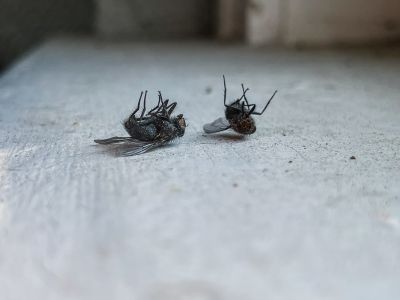
When comparing service providers for fly infestation extermination, it is helpful to consider their experience with similar projects. Homeowners should inquire about how many times a contractor has handled fly infestations in residential settings and whether they have encountered situations comparable to their own. An experienced local contractor is more likely to understand the common causes of fly problems and the most effective methods for addressing them, leading to a more thorough and reliable service.
Clear written expectations are essential to ensure that both parties are aligned on the scope of work. Homeowners should seek detailed descriptions of the procedures that will be performed, the types of treatments that will be used, and any preparations or follow-up steps required. Having these expectations documented helps prevent misunderstandings and provides a basis for evaluating whether the service provider's approach matches the homeowner’s needs.
Reputable references and good communication are also key factors when selecting a local service provider. Homeowners can ask for references from previous clients who had similar fly infestation issues to gauge the quality of work and professionalism. Additionally, choosing a contractor who responds promptly and clearly to questions demonstrates a commitment to good communication, which can be valuable throughout the service process. It’s important to remember that this site introduces homeowners to local options, not that it performs the extermination work directly.
Property owners use Fly Infestation Extermination services for practical projects around their homes and businesses. This guide focuses on everyday jobs and straightforward project options.
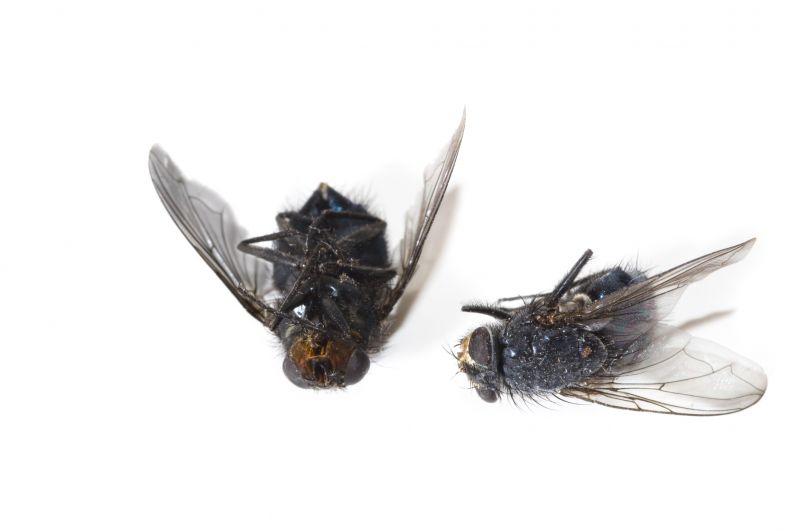
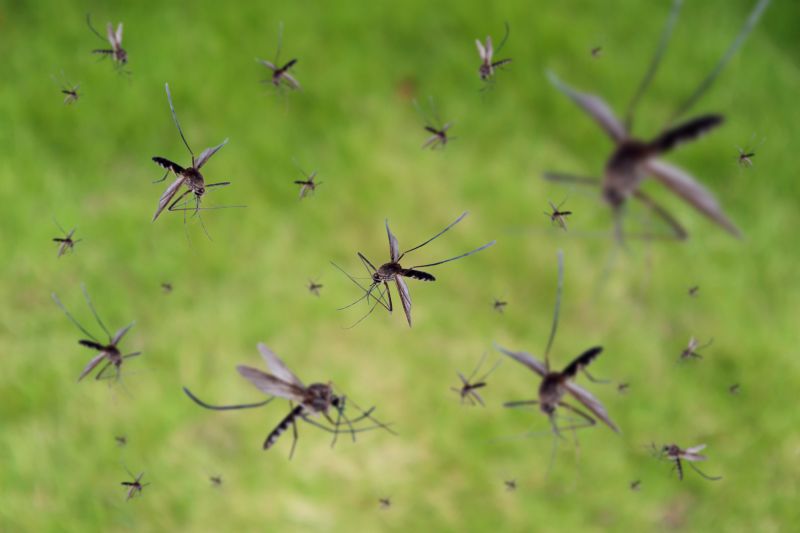
Property owners dealing with fly infestations often seek extermination services to maintain a comfortable and hygienic living or working environment. Flies can quickly become a nuisance, especially during warmer months or if there are sources of food, trash, or standing water nearby. Local contractors experienced in fly control can help address these issues efficiently, reducing the risk of pests spreading germs or causing further discomfort.
In many cases, residents and business owners turn to local service providers for help when flies become persistent despite basic cleaning efforts. Whether the problem stems from outdoor conditions, improper waste management, or structural issues, professional extermination services can identify the root cause and implement targeted solutions. Connecting with local contractors ensures that property owners can find effective, timely assistance to keep their spaces fly-free.
What are common signs of a fly infestation? Signs include seeing a large number of flies indoors, noticing a foul odor, or discovering small maggots in drains or trash areas.
How do local contractors typically eliminate fly infestations? They often use a combination of sanitation, traps, and targeted treatments to remove flies and prevent future issues.
Are there any preventive measures to avoid fly infestations? Keeping areas clean, removing standing water, and properly storing food can help reduce the likelihood of flies entering and breeding.
What types of flies are usually targeted by extermination services? Commonly addressed species include house flies, fruit flies, and drain flies.
How can I find local service providers for fly extermination? This website helps connect with local contractors experienced in fly infestation removal in the area.
Identify and eliminate breeding sites - property owners can work with local contractors to find areas where flies may lay eggs, such as trash bins or compost piles, and have them properly cleaned or sealed.
Implement effective sanitation practices - maintaining cleanliness in kitchens, dining areas, and outdoor spaces can reduce attractants for flies, with guidance from local service providers.
Set up physical barriers - installing screens or mesh on windows and doors can help prevent flies from entering indoor spaces, with assistance from local contractors.
Use targeted extermination methods - property owners can coordinate with local pros to apply safe and effective treatments in problem areas to control existing fly populations.
If you are thinking about Fly Infestation Extermination for a property, this guide is meant to help you understand the work, the typical project types, and how different options might fit your plans.
When you are ready, you can use the quote form on this page to share a few details about your project. From there, local pros can review the basics and respond with options that match what you have in mind.