Get Carpenter Ant Extermination
Local contractors provide carpenter ant extermination services to eliminate infestations and protect homes from structural damage caused by these pests.
Carpenter ants can pose a significant threat to the structural integrity of a property if left unaddressed. Property owners in the area often seek professional extermination services to effectively eliminate these pests and prevent potential damage. Whether planning a renovation, inspecting for existing infestations, or simply maintaining a safe and secure environment, exploring local contractor options can provide valuable insights and solutions.
By comparing the services offered by nearby specialists, property owners can find the right approach to managing carpenter ant issues. Accessing experienced local contractors ensures that pest control needs are handled efficiently and thoroughly, supporting ongoing property maintenance and protection. Continuing to explore available options can help make informed decisions about pest management strategies.
- Carpenter Ant Extermination - needed when homeowners notice wood damage or see ant activity inside the structure.
- Carpenter Ant Inspection - required to identify the extent of an infestation and locate nesting sites.
- Carpenter Ant Removal - necessary to eliminate active colonies and prevent further structural damage.
- Carpenter Ant Prevention - advised for property owners looking to reduce the risk of future infestations.
- Carpenter Ant Treatment - sought by those who want targeted solutions to control and manage ant populations.
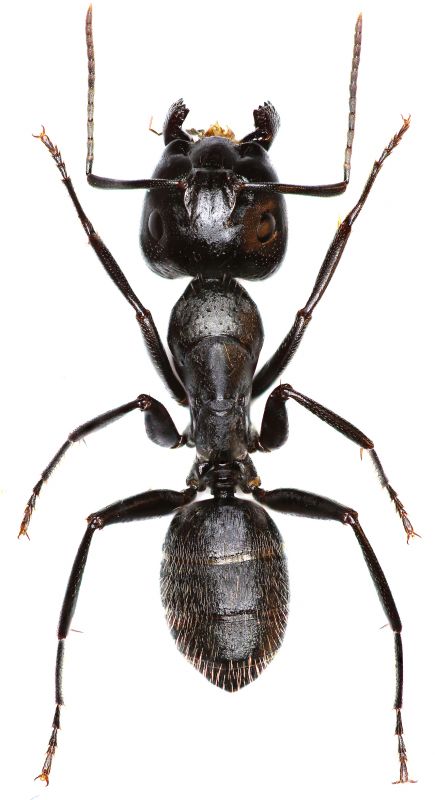
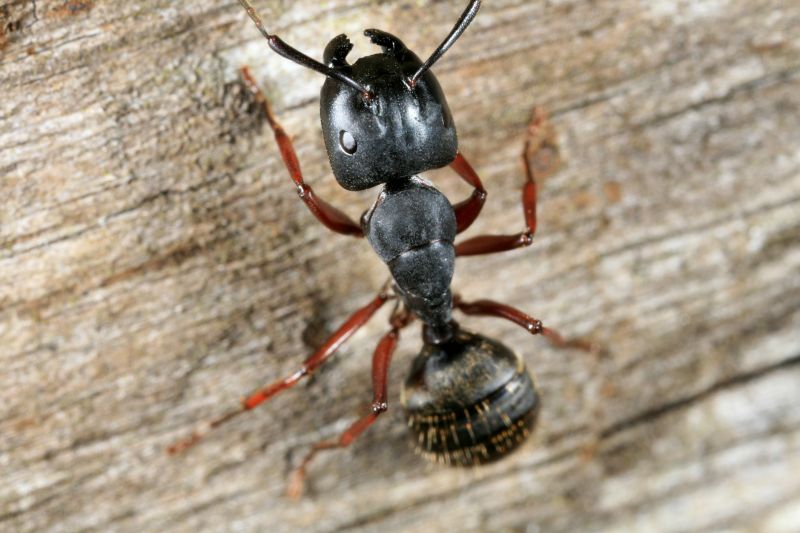
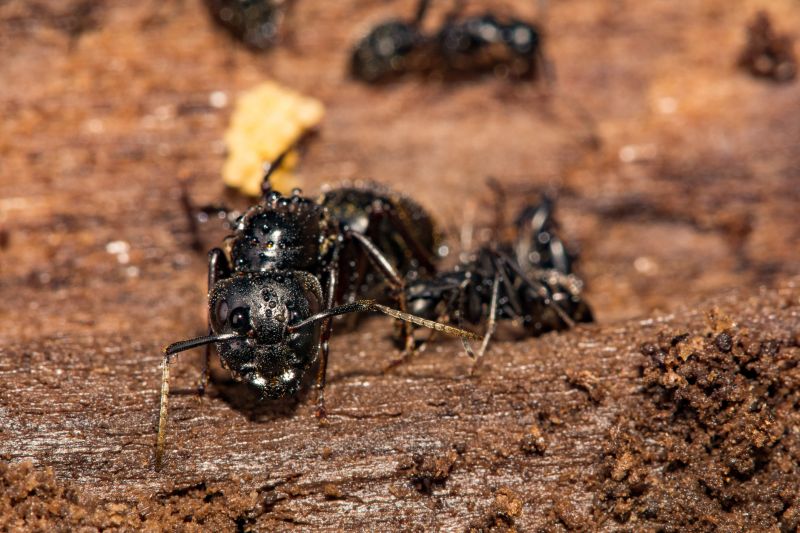
Carpenter ant extermination services involve identifying and eliminating these wood-damaging pests from residential and commercial properties. Skilled service providers typically begin with a thorough inspection to locate ant nests and assess the extent of the infestation. Once the problem areas are identified, they use targeted treatments such as baiting systems, liquid insecticides, or dust applications to effectively eradicate the colonies. Properly executed extermination not only removes the visible ants but also addresses hidden nests that could cause ongoing issues if left untreated.
These services help solve problems related to structural damage, as carpenter ants tunnel through wood to create their nests. Over time, their activity can weaken beams, support structures, and wooden fixtures, leading to costly repairs if not addressed promptly. Additionally, an active ant infestation can be a source of ongoing frustration and discomfort for homeowners, especially if ants are seen inside living areas or around foundations. Professional extermination ensures that the problem is handled safely and thoroughly, reducing the risk of future infestations and damage.
Property types that commonly seek carpenter ant extermination include single-family homes, apartment complexes, and multi-unit residential buildings. Commercial properties such as warehouses, office buildings, and retail spaces may also require these services, especially if they contain wooden fixtures or structural elements vulnerable to pest activity. Properties with moisture issues, wood debris, or previous pest problems are more susceptible to carpenter ant infestations. Local contractors can tailor their approach to suit the specific needs of each property, ensuring effective removal and ongoing protection.
Homeowners often notice signs that indicate a carpenter ant problem, such as sawdust-like debris near wooden structures, hollow-sounding wood, or the presence of ants inside the home. If these symptoms are observed, it’s advisable to seek professional extermination services promptly. Addressing carpenter ant issues early can prevent extensive structural damage and reduce the likelihood of recurring infestations. Connecting with experienced local service providers can help identify the source of the problem and implement a comprehensive treatment plan tailored to the property’s needs.
The overview below groups typical Carpenter Ant Extermination projects into broad ranges so you can see how smaller, mid-sized, and larger jobs often compare in your area.
In many markets, a large share of routine jobs stays in the lower and middle ranges, while only a smaller percentage of projects moves into the highest bands when the work is more complex or site conditions are harder than average.
Initial Inspection and Treatment - typical costs range from $250-$600 for many smaller jobs, covering inspection and basic treatment. Many routine inspections fall within this middle range, while more extensive infestations may push costs higher. Local contractors can provide precise estimates based on the size of the affected area.
Localized Ant Extermination - for targeting specific nests or problem areas, costs generally range from $150-$400. Smaller, accessible nests often remain in the lower part of this range, whereas larger or hard-to-reach nests can increase the price. Many projects are completed within this range for quick, targeted treatments.
Full Property Treatment - comprehensive extermination across an entire property can cost between $1,000 and $3,000, depending on size and complexity. Larger homes or properties with extensive infestations tend to fall into the higher end of this spectrum, while smaller homes often stay near the lower end.
Ongoing Prevention and Maintenance - ongoing services or multiple treatments typically cost $200-$500 per visit. Many routine prevention plans are priced within this range, with fewer projects requiring higher costs for extensive or repeated treatments over time.
Actual totals will depend on details like access to the work area, the scope of the project, and the materials selected, so use these as general starting points rather than exact figures.
Termite Inspection and Treatment - professionals use similar inspection techniques and treatment tools to identify and eliminate wood-destroying pests like carpenter ants.
Wood Borer Control - specialists employ comparable planning and pest management methods to address infestations that damage wooden structures.
Moisture Barrier Installation - contractors utilize planning, inspection, and sealing skills to prevent conditions that attract carpenter ants.
Structural Damage Repair - service providers apply similar assessment and repair techniques to address damage caused by wood-boring insects.
Infestation Detection Services - experts conduct detailed inspections and identify pest entry points, similar to those used for carpenter ant control.
Pest Exclusion and Barrier Services - professionals implement planning and sealing strategies to prevent pest entry, including ants and other wood-infesting insects.
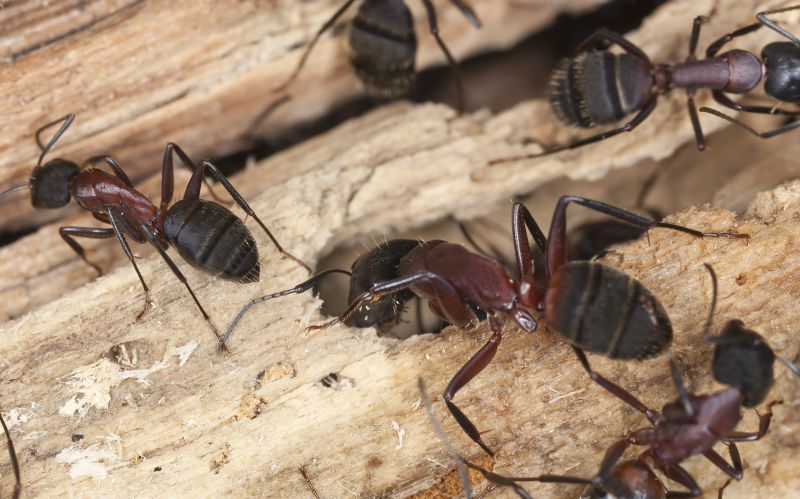
When comparing local contractors for carpenter ant extermination, it’s helpful to consider their experience with similar projects. Homeowners should look for service providers who have a proven track record in handling ant infestations, particularly those involving carpenter ants. An experienced professional will understand the common behaviors and nesting habits of these pests, which can contribute to more effective treatment strategies. Asking about the types of properties they have worked on and the methods they typically use can provide insight into their expertise and whether they are well-equipped to address the specific needs of the home.
Clear, written expectations are essential when selecting a service provider for pest control. Homeowners should seek contractors who can provide detailed explanations of the process, including the treatment methods, areas that will be addressed, and any preparations needed before work begins. Having this information in writing helps ensure there is a mutual understanding of what the service entails, reducing the chances of miscommunication or surprises. A reputable contractor will be transparent about the scope of work and will be willing to answer questions to clarify the process.
Reputation and communication are key factors in choosing a reliable pest control professional. Homeowners can benefit from references or reviews that attest to the contractor’s past performance and professionalism. Good communication involves timely responses to inquiries, clear explanations of options, and a willingness to address concerns. Service providers who prioritize open dialogue and provide reputable references are more likely to deliver a positive experience. It’s important to remember that this site introduces homeowners to local options and does not perform the work directly, so taking the time to verify credentials and communication style can help ensure a successful partnership with the right expert for carpenter ant extermination.
Property owners use Carpenter Ant Extermination services for practical projects around their homes and businesses. This guide focuses on everyday jobs and straightforward project options.
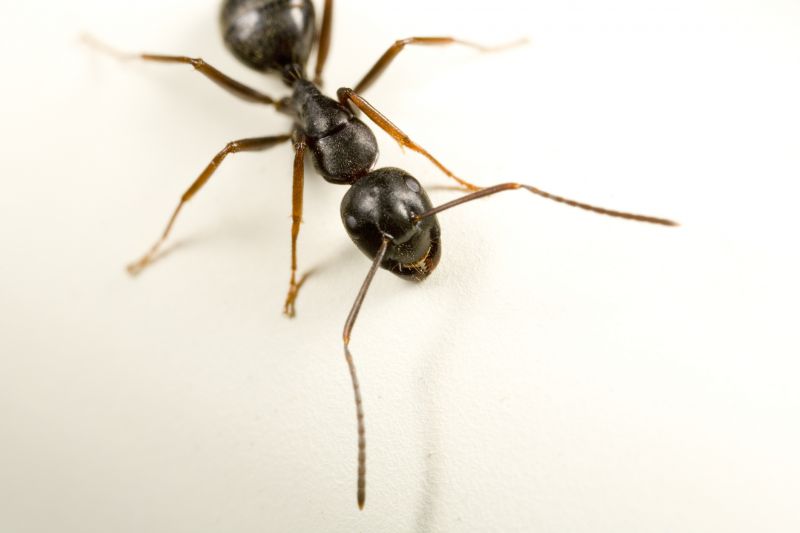
Carpenter ants can become a common concern for property owners dealing with wood damage or unusual insect activity around their homes or businesses. These pests often invade structures in search of food and nesting sites, especially in areas where wood has become damp or decayed. Homeowners noticing small piles of wood shavings or hollow-sounding wood may seek the help of local contractors experienced in carpenter ant extermination to effectively address the problem and prevent further damage.
In many cases, property owners look for carpenter ant extermination services when they observe signs of infestation or want to protect their buildings from potential structural harm. Whether dealing with an active colony or aiming to prevent future issues, local service providers can assess the situation and recommend appropriate treatment options. Connecting with experienced contractors ensures that the job is handled efficiently, helping to maintain the integrity and safety of residential or commercial properties.
How can I tell if I have a carpenter ant infestation? Signs of carpenter ant activity include wood shavings, rustling sounds in walls, and visible ants near wood structures.
What types of treatments do local contractors use for carpenter ant extermination? They typically use targeted baiting, insecticidal dust, and residual sprays to eliminate carpenter ants effectively.
Are there preventive measures to avoid future carpenter ant problems? Yes, contractors often recommend removing decayed wood, sealing entry points, and reducing moisture around the property.
Can carpenter ants cause structural damage? Yes, if left untreated, carpenter ants can create tunnels in wood, potentially compromising the integrity of structures.
How do local service providers typically handle carpenter ant extermination? They assess the infestation, identify entry points, and apply appropriate treatment methods to eliminate the ants and prevent re-infestation.
Identify Ant Activity - Property owners can monitor for signs of carpenter ant presence, such as trails or wood damage, to determine if professional extermination is needed.
Prevent Future Infestations - Homeowners can seek advice from local contractors on sealing entry points and removing attractants to reduce the risk of ant invasions.
Schedule Professional Treatment - Those noticing signs of a carpenter ant problem can arrange for local service providers to perform targeted extermination services.
Implement Long-Term Solutions - Property owners can work with local pros to establish ongoing prevention strategies that keep carpenter ants from returning.
If you are thinking about Carpenter Ant Extermination for a property, this guide is meant to help you understand the work, the typical project types, and how different options might fit your plans.
When you are ready, you can use the quote form on this page to share a few details about your project. From there, local pros can review the basics and respond with options that match what you have in mind.